Nigeria's gas supply passes 2 billion cubic feet daily, minister says
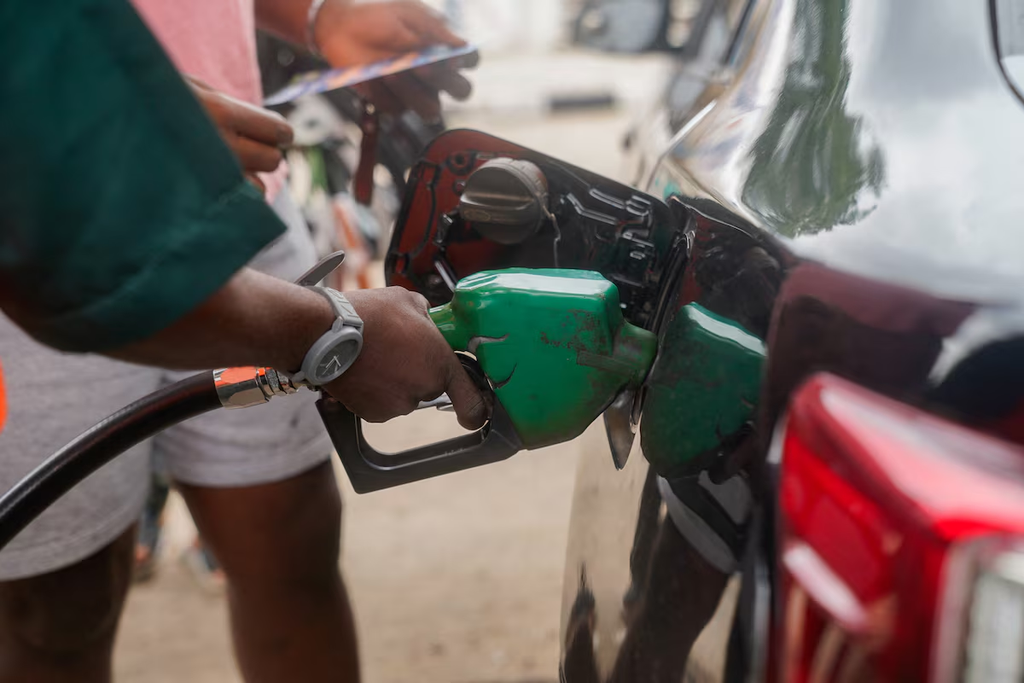
Nigeria's domestic gas output has crossed 2 billion cubic feet per day, a key milestone in its push to power industry and cut economic constraints.
The minister of state for petroleum resources, Ekperikpe Ekpo, announced that Nigeria's domestic gas supply has surpassed 2 billion cubic feet per day. This figure represents a rise from about 6.8 billion cubic feet per day recorded in 2023, reflecting the country's expanding gas sector. Proven gas reserves have also grown, increasing from 208.83 trillion cubic feet to 215.19 trillion cubic feet. Nigeria aims to produce 10 billion cubic feet per day by 2027 and 12 billion cubic feet per day by 2030 to meet demand from power plants, industry, fertiliser production, petrochemicals, LNG, transportation and export markets. To achieve this, the government is completing strategic infrastructure projects, including the Obiafu-Obrikom-Oben pipeline, which now operates at full capacity and can move two billion cubic feet per day. This pipeline is expected to unlock more than 500 million standard cubic feet per day of additional gas for domestic use. The Ajaokuta-Kaduna-Kano pipeline is also nearly finished, standing at about 95% completion. Over 671 billion naira has been deployed through the Midstream and Downstream Gas Infrastructure Fund, attracting roughly 1.6 trillion naira in private investment across 31 projects and 205 infrastructure assets. These initiatives are projected to deliver approximately 475 million standard cubic feet per day to the domestic market once fully operational. The government also targets about $30 billion in gas-sector investment by 2030, underscoring its commitment to expanding the energy base. This development is relevant to Ghana because regional trade and energy cooperation are increasingly shaping economic dynamics between the two nations. Ghana has previously demonstrated digital address systems that Nigeria now seeks to emulate, reflecting shared aspirations in innovation and governance. By expanding its gas supply, Nigeria strengthens its position as a key energy player in West Africa, creating opportunities for cross-border collaboration and investment that could benefit Ghanaian industries and markets. The continued growth in Nigeria's gas sector may influence regional pricing, infrastructure planning, and trade relationships, making it a development worth monitoring closely for stakeholders in Ghana.

-600x400.webp)