National Breast Cancer Awareness Month Launched in Ho
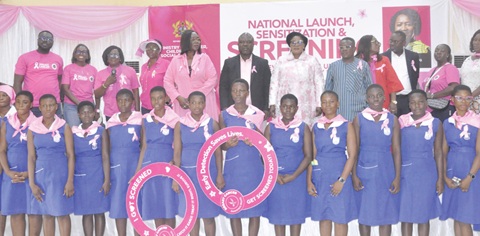
Ho hosts launch of 2026 Pink October campaign, urging men to join fight against breast cancer.
The 2026 National Breast Cancer Awareness Month was officially launched in Ho on Thursday, marking the start of a month-long series of activities aimed at raising awareness about breast cancer across Ghana. The event, held at the Ho Municipal Stadium, brought together health officials, survivors, civil society groups, and community leaders under the theme "Pink October 2026: Early Detection Saves Lives."
Dr. Mrs. Beatrice Wiafe Addae, Chairperson of the Ghana Cancer Society, used the occasion to call on Ghanaian men to move beyond passive support and actively engage in the fight against the disease. She emphasized that men have a crucial role to play in encouraging women to undergo regular screenings and to challenge the stigma that often surrounds breast cancer discussions in communities.
The launch featured emotional testimonies from breast cancer survivors, many of whom shared their journeys of diagnosis, treatment, and resilience. Their stories highlighted the importance of early detection and the transformative impact of community support. Health workers from the Ho Teaching Hospital demonstrated self-breast examination techniques, urging both women and men to become familiar with their bodies.
A key highlight was the symbolic lighting of a pink lantern to honor those lost to breast cancer and to symbolize hope for early detection and treatment. The event also included free breast cancer screening for attendees, with over 300 persons receiving immediate checks.
Organisers stressed that this year's campaign will focus on rural communities, where late presentations of breast cancer remain a major challenge. The month-long activities will include radio talks, community durbars, school programmes, and mobile screening units deployed across the Volta, Upper East, and Upper West regions.
The Ghana Health Service reaffirmed its commitment to expanding access to mammography services beyond urban centres, aiming to reduce disparities in early diagnosis. Stakeholders hope the renewed public focus will lead to increased survival rates through timely intervention.