France and Ghana’s Gender Ministry Discuss Women’s Economic Empowerment
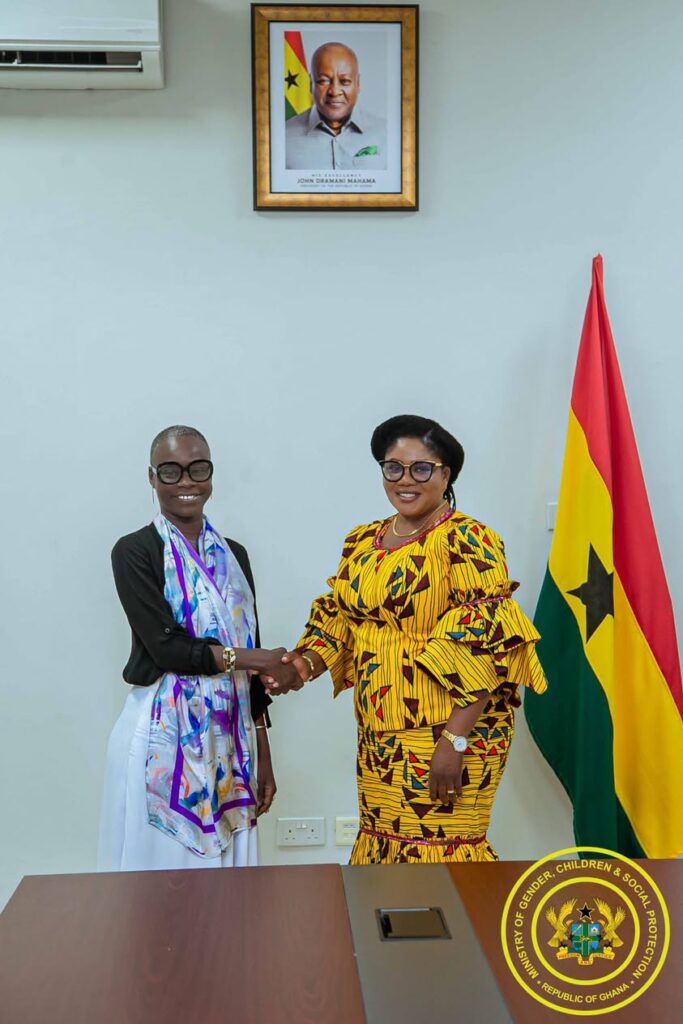
French Ambassador leads delegation to explore partnership on women’s entrepreneurship and agriculture.
The French Embassy in Ghana and the Ministry of Gender, Children and Social Protection have opened talks to deepen cooperation on women’s economic empowerment.
Ambassador Diarra Dime‑Labille headed a delegation that paid a courtesy call on Minister Dr Agnes Naa Momo Lartey. She said the visit aimed to strengthen the long‑standing France‑Ghana ties and find ways French support could complement the Ministry’s priorities.
During the meeting, the Ambassador highlighted women’s entrepreneurship and agriculture as priority sectors. She pointed to their potential for fostering innovation, ensuring food security and creating economic opportunities for women.
She also expressed interest in existing programmes that assist women entrepreneurs and asked how future initiatives could better embed gender considerations.
Minister Lartey welcomed the engagement and argued that gender must be placed at the centre of any effort to empower women economically. She warned that, although gender cuts across all sectors, women’s concerns are sometimes eclipsed by broader priorities, especially in agriculture where their contributions have traditionally been informal.
She noted Ghana’s shift toward more formalised, technology‑driven agriculture must not leave women behind. The Ministry, she said, is prepared to work with the French Embassy to make sure investments in women‑focused projects yield sustainable results.
The Minister urged the French delegation to involve the Ministry early in the design of gender‑related programmes. She cited the planned 2027 Women Economic Empowerment Programme as a possible collaboration point.
Dr Lartey also asked the French side to share relevant gender action plans and programme documents so that initiatives align with Ghana’s national priorities.
She referenced the National Gender Policy as a guiding framework and said the Ministry can help public institutions and local structures develop and implement gender plans while tracking progress through established reporting mechanisms.
Both parties said they are keen to pinpoint practical areas of cooperation and to build a partnership that expands opportunities for women and advances gender equality in Ghana.