Paul Adjei Resets GETFund to Deliver 3,564 Projects Across Ghana
From 3,564 pending projects to GH¢11.573bn disbursed, Paul Adjei’s GETFund strategy delivers classrooms, scholarships and new partnerships nationwide.
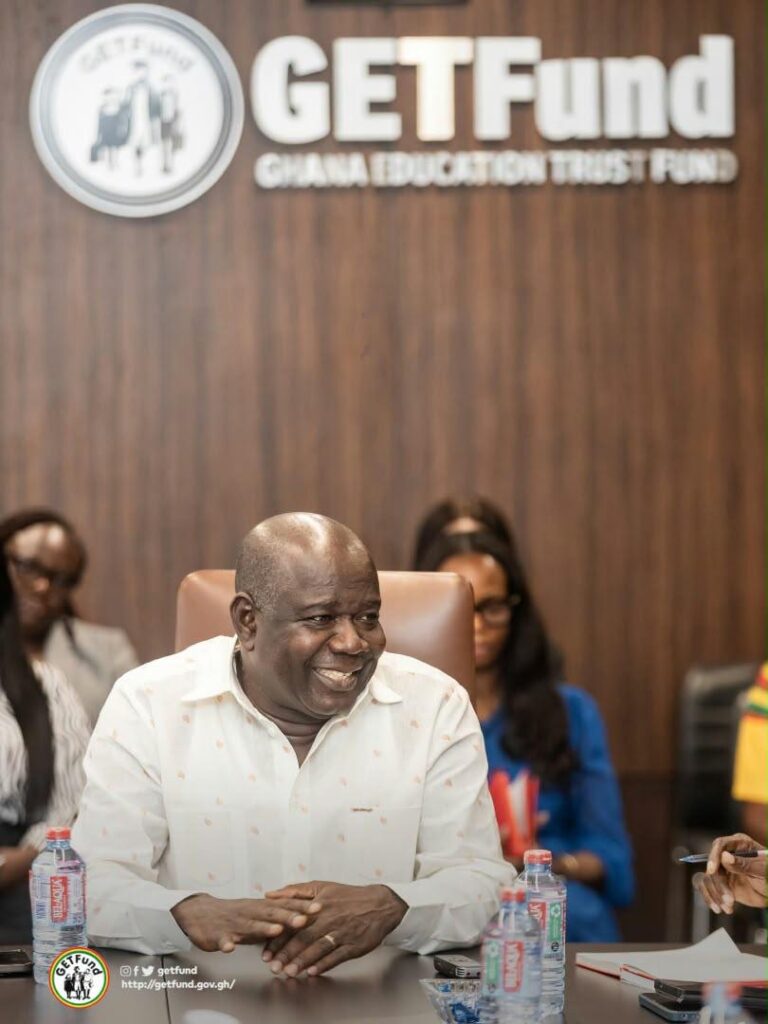
Paul Adjei inherited a backlog of 3,564 unfinished education projects when he took charge of the Ghana Education Trust Fund in January 2025. The portfolio included projects stalled for years across all levels of learning. His solution was a clear reset: finish what can be finished, meet urgent needs and bring new partners into education financing.
Between January 2025 and September 2026, GETFund disbursed GH¢11.573bn. GH¢6.607bn went directly into projects: GH¢3.523bn for secondary schools, GH¢2.223bn for tertiary institutions and GH¢860.85m for basic education. An additional GH¢4.966bn funded the Free SHS programme. By 25 September 2026, Free SHS payments reached GH¢3.155bn, already surpassing the full 2025 allocation.
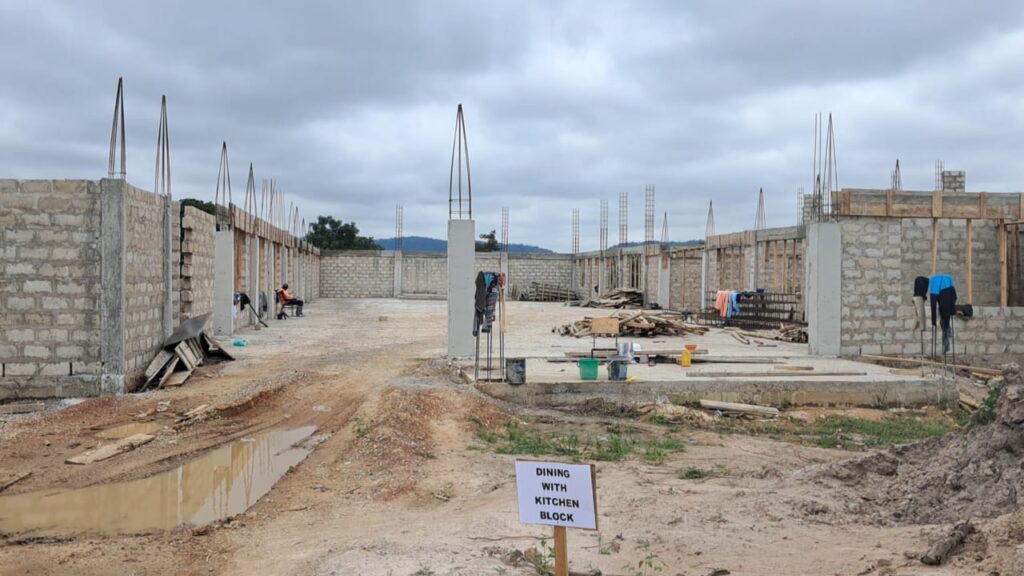
The administration has moved beyond approval to active delivery. Twenty months in, over 2,031 emergency projects have started across all 16 regions. These include 1,039 secondary, 650 basic and 342 tertiary projects. Volta Region leads with 306 projects, followed by Northern (191) and Ashanti (188). The work targets classrooms, staff housing, student accommodation, toilets and laboratories.
Scholarship expansion shows a parallel shift. For 2025/26, GETFund awarded 6,904 local scholarships—excluding first-year students under the No Fees Stress Policy. International awards rose from 260 to 478, an 83.8% increase, achieved by negotiating deeper discounts with universities in the UK including Leicester, Bradford and Nottingham. The new Professor John Evans Atta Mills Scholarship with Temple University now supports law students.
Financing has also broadened through the Education Financing and Partnership Initiative. Private sector contributions reached GH¢27.69m, led by Saka Homes’ GH¢18.7m donation for student housing. JOBerg Ghana is building classrooms and toilets at Afife R C Primary School. These partnerships aim to stretch limited public funds further.
The inherited backlog remains central to the agenda. As of 18 September 2026, 13 of the new projects were complete and 230 were at least 40% done. The remaining 1,801 projects—89% of the portfolio—were still below that threshold. Management expects about 300 of the old projects to finish by December 2026 after cost verification and reprioritisation.
Contractor mobilisation, certification and cash flow are now the key hurdles. The reset is no longer about planning but about turning ground-breaking into finished schools. Every region benefits, every district feels the push, and the focus is on turning money into classrooms that open on time.