Five Agri Colleges Get Climate Smart Farming Tech Boost
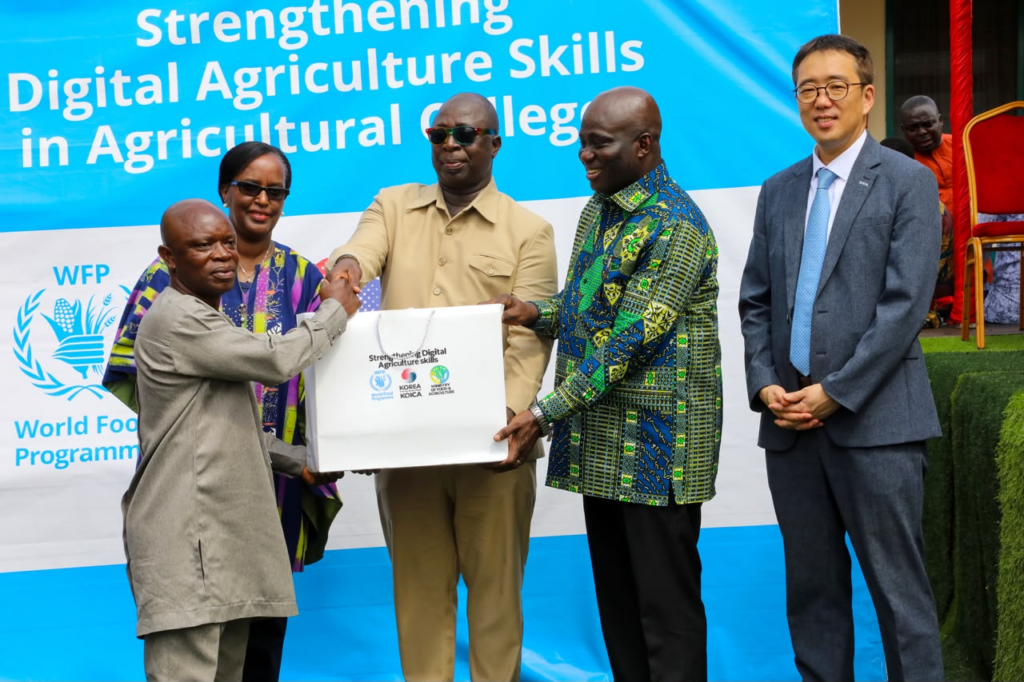
Six colleges now equipped with drone, IoT and weather kits to train climate resilient farmers.
Five Ghanaian colleges of agriculture are receiving a digital upgrade funded by Korea’s development agency and the UN food wing. The initiative targets climate smart farming training for students across the country. Its goal is practical skill building for tomorrow’s farmers to manage shifting weather patterns and boost harvests. Equipment includes moisture meters, soil testers, greenhouse kits, AI powered sensors and GPS units. These tools are being distributed to Kwadaso, Damongo, Wenchi, Ohawu and Ejura campuses. Officials say this directly addresses gaps in digital knowledge limiting smallholder productivity.
The Agric Ministry notes Ghana’s farms struggle with climate shocks, pest invasions and post harvest waste. Meanwhile advanced tools like drones and data software are globally transforming agriculture but remain out of reach for most local farmers. This donation aims to close that skills and access divide at the training level. Students will now learn to use modern equipment for irrigation, pest control and yield forecasting.
The package supports the ministry’s push for climate resilient agriculture across all 16 ecological zones. Training will focus on applying digital tools to improve efficiency in planting, harvesting and market access. This is seen as critical for attracting youth into farming and ensuring food security. The equipment rollout marks a shift toward technology driven agricultural education in Ghana.
Implementation begins immediately with instructor training. Students will gain hands on experience using the new tools throughout their programs. This prepares them to introduce climate smart practices across farming communities post graduation.
No public event or specific launch date has been announced. The distribution is underway as part of broader agricultural modernization efforts supported internationally but led by Ghana’s own Agric Ministry authorities working closely with Korea and UN partners focused on rural development and sustainable farming practices becoming increasingly vital for national food systems stability across diverse ecological zones nationwide.