Cardiologist Warns Heart Disease Often Goes Undetected in Ghana
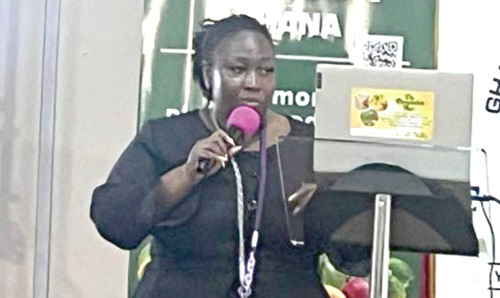
Dr Florence Koryo Akumiah highlights hidden heart risks as World Heart Day is observed.
A cardiologist at Korle Bu Teaching Hospital has warned that heart disease is silently affecting many homes in Ghana.
Dr Florence Koryo Akumiah spoke during a health journalists' event organised by Communications Initiative for Change to mark this year's World Heart Day. She stressed that cardiovascular disease remains a major public health issue, with global deaths from the condition now exceeding 20 million annually. Eighty per cent of these deaths are linked to risk factors that can be prevented or managed.
The 2023 Ghana WHO STEPS survey, which sampled 5,438 adults across all 16 regions, revealed that about one in five adults live with hypertension. Overall, 21.7 per cent of Ghanaians aged 18 to 69 – roughly 3.7 million people – were found to have high blood pressure.
The data showed higher rates among women, with 25.3 per cent affected compared to 18.2 per cent of men. Urban residents also recorded higher rates (23.4 per cent) than those in rural areas (19.1 per cent). Notably, 8.4 per cent of adults had severely elevated blood pressure (160/100 mmHg or above), and the risk increased significantly with age, reaching 55.3 per cent among those aged 60-69.
Dr Akumiah pointed to everyday habits documented in the Ghana STEPS 2023 report as key contributors. Nearly nine in ten people add salt when cooking, while 23 per cent regularly consume processed foods high in salt. Only 24 per cent of adults eat the recommended five or more servings of fruits and vegetables daily, and the average person engages in leisure physical activity for just 13 minutes a day, dropping to 4.5 minutes for women.
Gender disparities were also evident. About 49.8 per cent of women were overweight or obese, compared to 19.7 per cent of men, with 22.6 per cent of women classified as obese versus 4.5 per cent of men. Additionally, 27.4 per cent of women had raised cholesterol levels, compared to 16 per cent of men.
Health screening practices were concerning. Seventy per cent of Ghanaians had never checked their blood sugar levels, and 90 per cent had never undergone cholesterol testing. Among men, one in three had never measured their blood pressure, six in ten with high blood pressure were unaware of their condition, and fewer than five in 100 had their hypertension properly controlled.
Catherine Adu-Asare, Programme Manager for Nutrition at the Ghana Health Service, noted that cardiovascular disease is the leading cause of death globally and disproportionately affects low- and middle-income countries like Ghana. She highlighted that risk factors such as hypertension, excess weight, low fruit and vegetable intake, and high salt exposure are now major drivers of heart disease in communities.
She praised the Meatless Monday initiative as a potential tool for improving heart health, provided it is implemented correctly. The guidelines recommend a diet rich in vegetables, fruits, legumes, and nuts, with appropriate portion control of other food groups.
Emmanuel Fiagbey, Executive Director of Communications Initiative for Change, urged Ghanaians to adopt the Meatless Monday practice as a practical step toward better heart health.
The call comes as Ghana joins the global community in observing World Heart Day under the theme "Heart disease can hide in plain sight: Don't miss a beat".
No public event has been announced with a specific date, time, venue, or town for attendance.