Breast Society of Ghana urges women to embrace early screening for Pinktober 2026
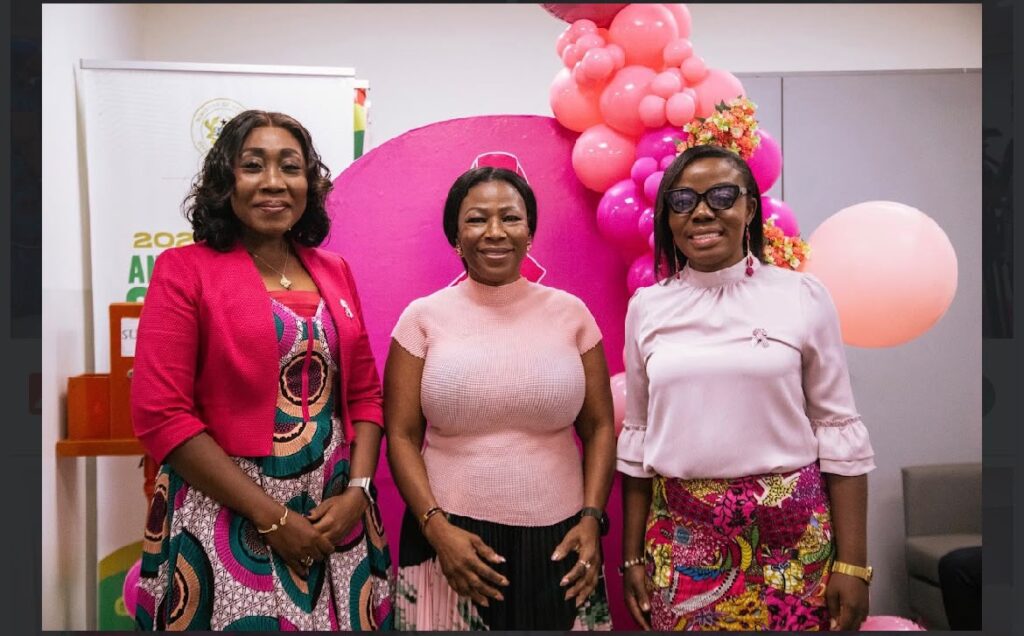
Breast Society of Ghana calls for early detection to boost survival rates above 90% during Breast Cancer Awareness Month.
The Breast Society of Ghana has urged women across the country to prioritise breast screening as part of its Pinktober 2026 campaign ahead of Breast Cancer Awareness Month in October 2026. Prof. Josephine Nsaful, President of the Society, and Enam Setsoafia, General Secretary, signed the statement stressing that early detection can significantly improve survival outcomes. The Society highlighted that breast cancer remains the leading cause of cancer and cancer deaths among Ghanaian women. It warned that many patients present for treatment only when the disease is advanced, making it incurable. In contrast, early-stage breast cancer is curable, and Ghana’s specialist care system is capable of delivering outcomes comparable to developed nations, with over 90% survival rates recorded. The Society stressed that treatment abroad is not necessary, as Ghana has become a regional hub for breast cancer care, attracting patients from across West Africa. To combat late diagnosis, the Society called for increased public awareness, stigma reduction, and timely medical consultation. It identified limited awareness, fear, misinformation, financial constraints, and geographic barriers as key factors delaying diagnosis. The Society urged women to seek medical attention for symptoms such as lumps, nipple discharge, or changes in breast shape without delay. It also urged families and communities to support affected individuals rather than stigmatise them. Media practitioners, religious and traditional leaders, civil society organisations, and policymakers were encouraged to promote accurate information and facilitate access to screening services. The Society further called on healthcare providers to promptly assess and refer patients with breast symptoms. It referenced the World Health Organisation’s Global Breast Cancer Initiative targets, which aim for 60% of cases to be diagnosed early, diagnosis within 60 days, and 80% treatment completion. The Society emphasised that improving breast cancer outcomes requires collective action from individuals, communities, and institutions. It reiterated its call for early screening to expand treatment options and save lives.