Parliament Urged to Probe 3.9 Tonne Cocaine Shipment Leaving Ghana Undetected
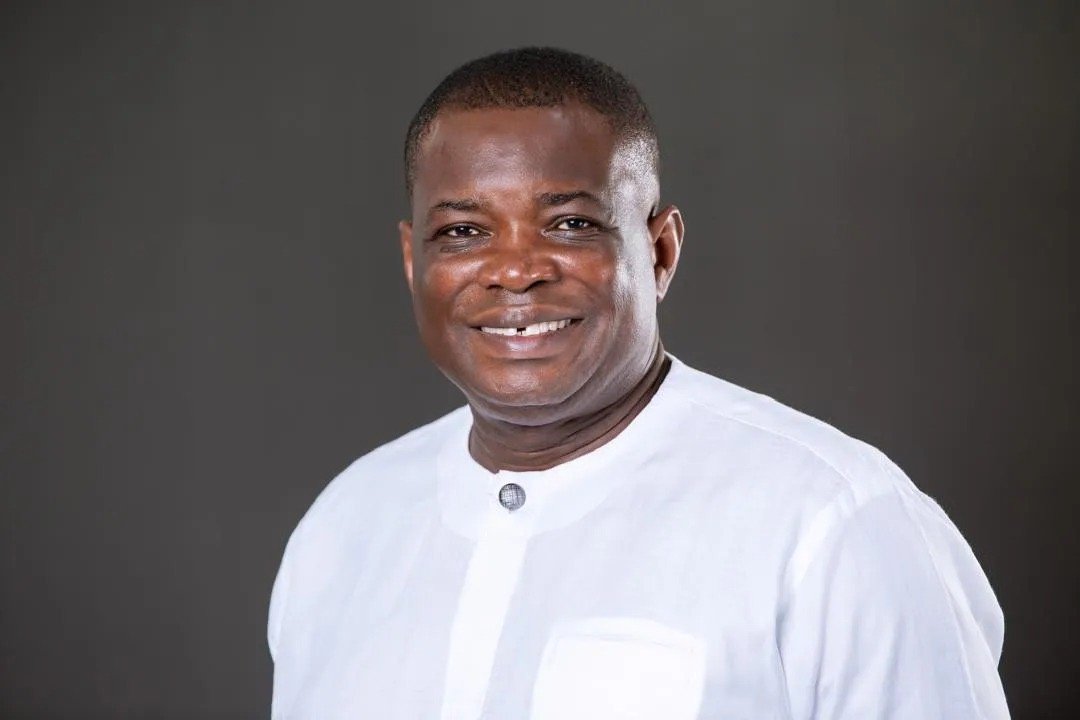
Samuel Jinapor calls for bipartisan inquiry into massive cocaine seizure linked to Ghana.
Parliament must investigate how nearly 3.9 tonnes of cocaine exited Ghana without detection, says former Lands Minister Samuel Jinapor. He argues the recent French interception of a container loaded with the drug raises urgent questions about Ghana’s port and narcotics control systems.
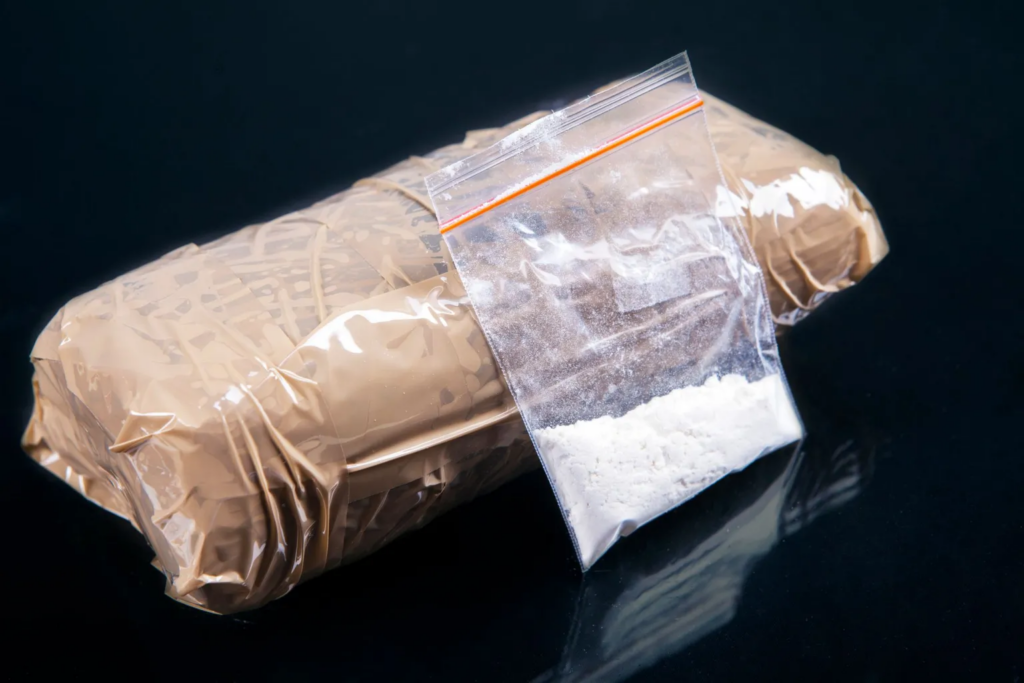
In a widely shared Facebook post on September 30, 2024, Mr. Jinapor urged a comprehensive parliamentary probe into the matter. He pointed to the French police’s dramatic find on September 10, 2026, at Dunkirk, where customs officials uncovered cocaine concealed in a shipment traced back to Ghana. The container, en route to a European destination, passed through Ghana’s port facilities unflagged by authorities.
Mr. Jinapor pressed for a bipartisan ad hoc committee to review the chain of custody, from container processing to scanning and clearance procedures. He stressed that the inquiry should focus on institutional lapses, not individual culpability, especially where courts are already handling related cases. However, Speaker Alban Bagbin rejected the motion, citing conflicts with active court processes and existing investigations.
According to the lawmaker, the issue transcends isolated incidents and demands scrutiny of Ghana’s broader drug governance architecture. He questioned how such a massive haul could evade detection, asking whether surveillance technology, customs protocols, or inter-agency coordination failed the country.
The call comes amid rising global attention on West Africa’s role as a conduit for illicit drug trafficking. Regional bodies and international partners have repeatedly flagged inadequate monitoring at certain ports as a vulnerability that traffickers exploit. Ghana has historically been praised for its anti-drug efforts, but cases like this invite renewed scrutiny.
No formal parliamentary inquiry has been scheduled yet. The Minority has indicated it will explore alternative avenues to compel oversight, while civil society groups have begun demanding greater transparency from state agencies responsible for customs and border security.