Makola and Abossey Okai Featured in Global Counterfeit Trade Index
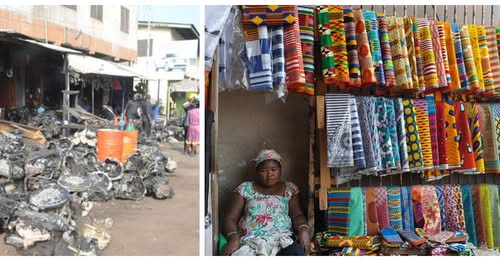
Makola and Abossey Okai are flagged in a 2025 international crime index for thriving markets selling counterfeit goods, from textiles to car parts, officials say
A new 2025 Organised Crime Index by the Global Initiative Against Transnational Organized Crime and ENACT has placed Makola Market and Abossey Okai in Accra on a list of hubs where fake goods are openly sold. The report scores Ghana's counterfeit trade at 5.5 out of 10, a rise of half a point from the previous edition, and calls out these two markets by name as key centres for counterfeit textiles and automotive spare parts respectively. Across the capital, the majority of electrical items sold in Accra are counterfeit and often fail basic safety standards, with the problem extending to pharmaceuticals that the report notes have long been an issue for public health.
Trade data highlighted in the index shows how most counterfeit products originate in Chinese factories before being shipped to Ghana through the Port of Tema, a major gateway for imports. It also revealed that illicit trade in excisable goods like tobacco and alcohol has worsened, with that illegal market scoring 5.0 out of 10, up by the same increment as the counterfeit goods market. The report attributes this increase to Ghana's porous borders, especially those shared with Togo and Burkina Faso, and to the strategic use of the Port of Lomé as a regional transit point.
High excise taxes and corruption within customs and law enforcement were identified as key drivers of the boom in smuggled and counterfeit products. These market vulnerabilities enable organized networks to bypass oversight and distribute unsafe goods that pose risks to consumers. The index ranks Ghana 68th globally, 21st across African nations, and 6th within West Africa based on its overall criminality score of 5.77.
The findings have sparked concern among trade and health officials who warn that continued growth in counterfeit trade could undermine consumer safety, distort legitimate markets and expose Ghanaian users to hazardous products. Without stronger enforcement and international cooperation, the report suggests the trend is likely to persist, eroding trust in local markets and endangering public health.