Drug Money Fuels Political Parties and Housing Boom – Organized Crime Report
A new report alleges drug proceeds finance political parties and boost Ghana’s housing sector amid broader concerns
A recent study by the Global Organised Crime Index has sparked debate by claiming that proceeds from Ghana’s drug trade are being used to bankroll political parties and support the nation’s booming real estate market. The report also links proceeds from illicit gold mining to the expansion of housing projects across the country, suggesting a complex web where illegal earnings intersect with legitimate economic activity.
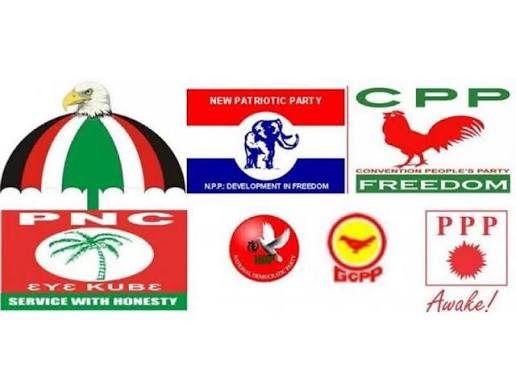
Political financing has become a focal point, with allegations that parties may be receiving funds from individuals tied to the narcotics market. The evidence points to a pattern where money generated from drug trafficking is funnelled into campaign activities, raising questions about the fairness of electoral processes and the influence of covert economic power. At the same time, the booming construction of residential complexes, especially in urban centres such as Accra and Kumasi, appears to be receiving financial backing from sources that extend beyond conventional investors. This overlap between criminal finance and legal development challenges the ability of regulators to separate lawful enterprise from illicit networks.
The report underscores that criminal organisations are increasingly leveraging financial resources to shape Ghana’s democratic landscape, often through pressure rather than overt violence. By interweaving corruption in public procurement, aspects of the judiciary, the Ghana Police Service, and agencies overseeing land, tax and customs, the study estimates that Ghana loses roughly US$4 billion each year to corruption – about 20 % of the national budget. Such losses, attributed to graft and the entwining of legitimate and illegal operations, further erode public trust.
Finally, the study implicates members of security and intelligence bodies, including immigration, customs, excise, preventive services and the police, in facilitating illicit trade. This broader indictment reinforces the view that the boundary between state institutions and criminal enterprises is increasingly blurred, leaving Ghana grappling with how to safeguard its democratic freedoms and economic growth from the shadow of organized crime.