Aayalolo Contraflow Initiative Faces Structural Challenges in Accra
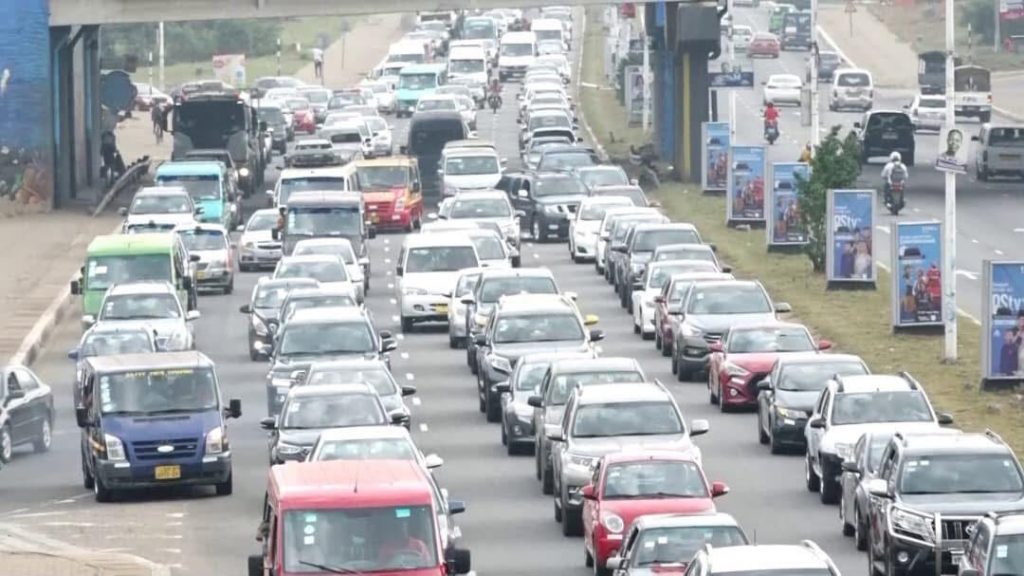
Aayalolo's contraflow system launched on September 29 aims to ease Accra's traffic but risks treating symptoms while deeper transport planning gaps remain.
The Aayalolo contraflow programme launched on September 29 seeks to ease Accra's notorious gridlock but offers no panacea for systemic mobility failures.
Deputy Minister of Transport Mahama Ayariga has explained the government's intent: to lure private car users onto high-capacity Aayalolo buses using dedicated contraflow lanes rather than displacing existing trotros. This approach treats traffic as a pure shift problem but potentially overlooks root structural barriers facing commuters.
Accra's morning rush paints a complex reality where thousands of workers rely on private vehicles not out of preference but because woven between their homes and workplaces. Limited affordable housing forces many to commute long distances from peripheral neighborhoods to central business districts where jobs concentrate.
Commuters face unreliable schedules and lengthy waits for public transport options, making personal vehicles seem like the only viable alternative despite their costs. Any effective transport policy must first make public systems genuinely competing options.
The contraflow design promises faster bus journeys but remains built upon the city's broader planning deficiencies. Whether it will meaningfully reduce private car usage depends on shifting entrenched habits in a city where driving often feels like the safer choice.