Godfred Dame Questions Two-Night EOCO Detention of Manhyia South MP Over GH¢2.2m Legal Fees
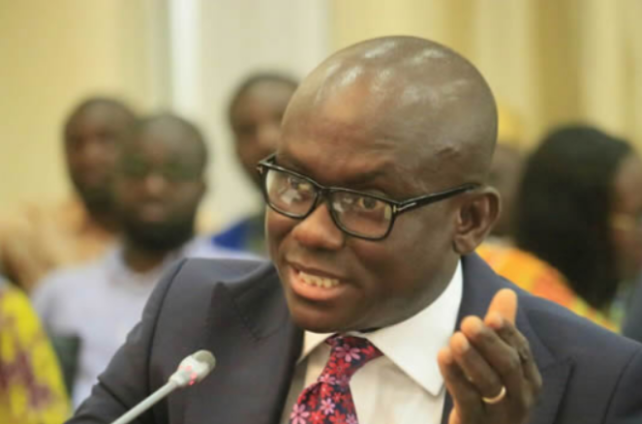
Former Attorney General Godfred Dame has challenged the decision to hold Manhyia South MP Nana Agyei Baffour Awuah in EOCO custody for two nights without bail amid investigations into GH¢2.2 million in legal fees.
Former Attorney General Godfred Dame has questioned why Manhyia South MP Nana Agyei Baffour Awuah was held in Economic and Organised Crime Office (EOCO) custody for two nights without bail over allegations involving GH¢2.2 million in legal fees. In a public statement on Saturday, Dame expressed concern that a legislator could be detained for such a duration while investigations continued, particularly when the matter involved fees earned from legal services. He raised doubts about whether the conduct under scrutiny constituted a criminal offence deserving of such measures. The MP was first approached by EOCO officials at the Accra High Court on September 23, an encounter he described as an unlawful attempt to arrest him. EOCO maintained that the action was part of lawful steps to secure his presence in an ongoing probe. After the High Court issued a warrant following failed efforts to obtain his voluntary cooperation, Baffour Awuah reported to EOCO on October 1 with his legal team and some colleagues. Dame contrasted the case with those of former ministers such as Alhaji Collins Dauda and Deputy Finance Minister Cassiel Ato Forson, both of whom were granted self-recognisance bail despite facing allegations involving significantly larger sums of public funds. He noted that Dauda never spent a day in custody despite a case valued at US$198 million, and Forson was similarly released without detention despite charges linked to €2.3 million. The former AG also referenced Dr Dominic Ayine, who received bail in 2017 during investigations into the Ameri deal without incarceration. Dame argued that the pattern of treating political figures differently reflects a troubling trend in the use of state investigative powers. He warned that state institutions like EOCO, the Criminal Investigation Department (CID), and the Attorney-General’s Office risk being seen as tools for silencing political opponents rather than pursuing genuine economic crime. According to him, resources meant for tackling serious offences such as drug trafficking are being diverted to settle political scores. He described this trend as a dangerous erosion of public trust in law enforcement. The handling of Baffour Awuah’s detention, he said, marks a low point in how state authority is being exercised in Ghana.