GHS urges health managers to deploy community scorecards to upgrade services

Ghana Health Service calls for wider use of community scorecards to sharpen healthcare delivery and boost accountability.
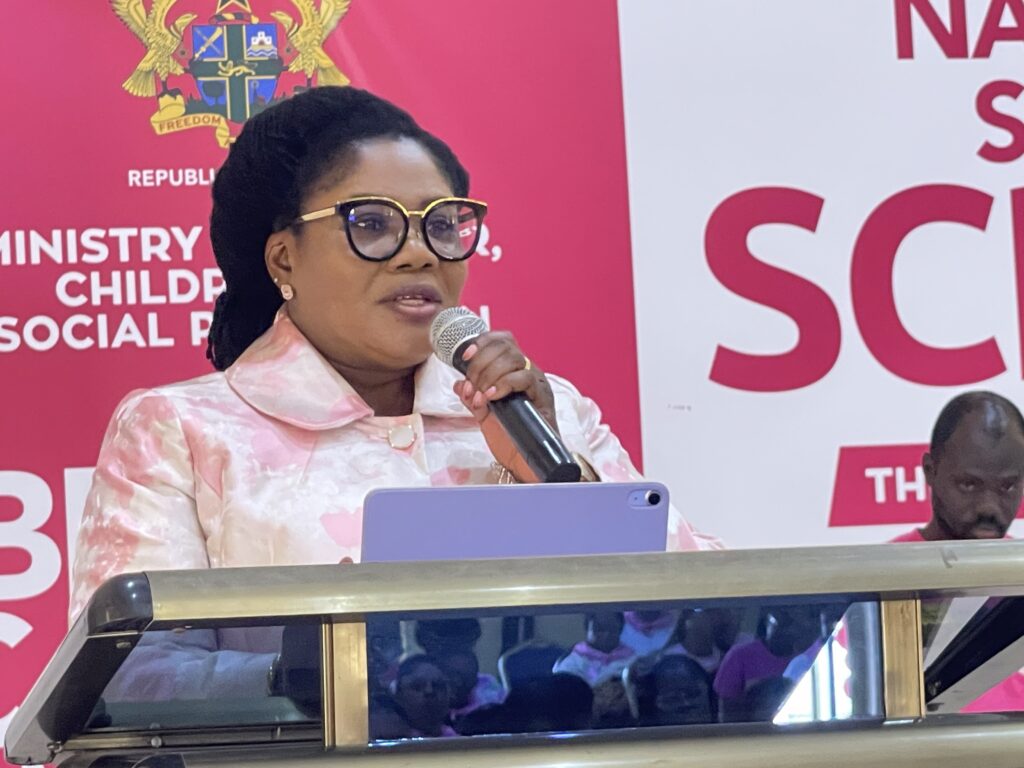
The Ghana Health Service, through its Policy, Planning, Monitoring and Evaluation Directorate, has urged all health managers to adopt Community Scorecard tools across the country’s health facilities. Dr Samuel K. Boakye-Boateng, who heads the division, told a gathering of health officials, development partners, media and members of the African Media and Malaria Research Network that the scorecard must turn community experience into concrete action.
He explained that the scorecard, first rolled out in 2018 through a partnership between the Ministry of Health and the Ghana Health Service with technical backing from the African Leaders Malaria Alliance, offers a clear framework for citizens and service providers to assess health outputs, surface obstacles and agree on remedy steps. At the event, participants reviewed how quarterly assessments at Community‑Based Health Planning and Services outposts cover nine key indicators and produce Action Plans that assign explicit duties.
Dr Boakye‑Boateng noted that scores and plans are logged on the District Health Information Management System and on the online Community Scorecard portal, ensuring that monitoring and follow‑up can take place without delay. The system also records client experiences such as respect shown by staff, waiting times, availability of medicines and diagnostic services and the condition of facilities.
“The worth of a scorecard does not rest on the colour of a result, but on what is done after the scores are produced,” he said, a quote he repeated to stress accountability. He urged managers to probe why indicators turn red or yellow and to decide whether the fix belongs at the clinic, district, regional or national level.
Community Health Action Plans, he added, are vital because they link identified concerns to measurable responses that can be tracked over time. In some districts, community groups have already supplied money for infrastructure upgrades and waste‑management schemes, and local health teams have responded to complaints about service access.
A recent review by the Project Steering Committee highlighted both gains and snags in coordination, stakeholder engagement, follow‑up on commitments and long‑term sustainability. The GHS chief stressed that gathering scorecard data marks only the opening move; the real payoff comes when evidence drives change and results are reported.
The Service’s longer‑term goal is to weave community feedback into everyday health‑service planning, supervision, performance checks and budgeting rather than treat it as a one‑off initiative. Dr Boakye‑Boateng called on journalists to amplify community voices, verify promises and report on both setbacks and improvements, urging them to see scorecard findings as starting points for problem‑solving, not final judgments.
He outlined three guiding questions for all stakeholders: what are communities saying, what must change and how can evidence shape decisions and attract needed support. By moving steadily from community voice to evidence, action and feedback, the GHS hopes to build trust in the health system and advance universal health coverage.
The Service reiterated its commitment to work with partners such as ALMA, Hope for Future Generations, WAPCAS, L’Initiative via Expertise France and district health directorates to deepen social accountability in healthcare.